Picture a workbench piled high with materials awaiting cutting as the clock ticks relentlessly. Conventional saw blades screech through dense materials with inefficient effort, often chipping or dulling prematurely. What professionals truly need is a blade that effortlessly conquers challenges while maintaining razor-sharp precision—a tool that transforms raw materials into flawless creations.
1. Unmatched Durability: The Efficiency Multiplier
For woodworkers and metal fabricators, blade sharpness directly impacts both productivity and output quality. Traditional steel blades gradually wear down, slowing cutting speeds, producing rough edges, and requiring frequent replacement or sharpening—a costly cycle of wasted time and resources.
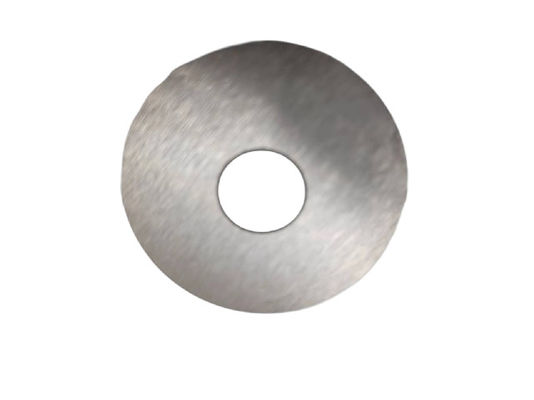
Carbide-tipped blades disrupt this paradigm. Tungsten carbide—a composite of tungsten carbide particles bonded with cobalt—delivers hardness and wear resistance that dwarfs conventional steel. This translates to sustained cutting performance even when processing hardwoods, engineered materials, or metals.
The operational advantages are measurable:
-
Extended service life:
Carbide blades outlast steel counterparts by factors of 10-100x, dramatically reducing replacement costs and downtime.
-
Reduced maintenance:
Sustained sharpness minimizes sharpening frequency while eliminating risks associated with improper blade regrinding.
-
Enhanced productivity:
Sharper edges reduce cutting resistance, enabling faster material processing—a critical advantage for high-volume operations.
-
Long-term cost savings:
While initial investment exceeds conventional blades, the total cost of ownership proves significantly lower through reduced consumable expenses and labor hours.
2. Precision Engineering: Elevating Craftsmanship
Beyond durability, carbide blades deliver unparalleled cutting performance. True craftsmanship demands not just speed, but immaculate edge quality—particularly for joinery, assembly, or fine detailing work.
Manufactured with aerospace-level precision, carbide-tipped blades feature uniform tooth geometry that distributes cutting forces evenly. Specialized coatings further reduce friction and heat buildup, optimizing cut quality across applications.
The precision advantages include:
-
Mirror-finish cuts:
Consistent tooth engagement minimizes tear-out and splintering, eliminating hours of post-processing sanding.
-
Tolerance control:
Micron-level manufacturing consistency enables precision fitting for critical assemblies.
-
Material conservation:
Reduced kerf waste and cutting errors preserve expensive stock materials.
-
Finished product enhancement:
Flawless cuts become the foundation for exhibition-grade workmanship.
3. Material Versatility: Expanding Creative Possibilities
Modern craftsmen face increasingly complex material challenges—from ultra-dense substrates to brittle composites. A single blade solution capable of handling diverse materials unlocks new creative potential.
Carbide technology adapts seamlessly across material categories:
-
Hardwoods:
Cleanly processes oak, maple, and walnut without chipping or burning.
-
Softwoods:
Delivers splinter-free cuts in pine, cedar, and fir.
-
Engineered materials:
Precisely sections plywood, MDF, and particleboard without delamination.
-
Metals:
Specialty formulations cut aluminum, brass, and mild steel when properly configured.
-
Exotic substrates:
Customizable tooth geometries accommodate plastics, ceramics, and stone composites.
This material adaptability empowers artisans to explore unconventional designs without tooling limitations, pushing the boundaries of functional artistry.


 メッセージは20〜3,000文字にする必要があります。